

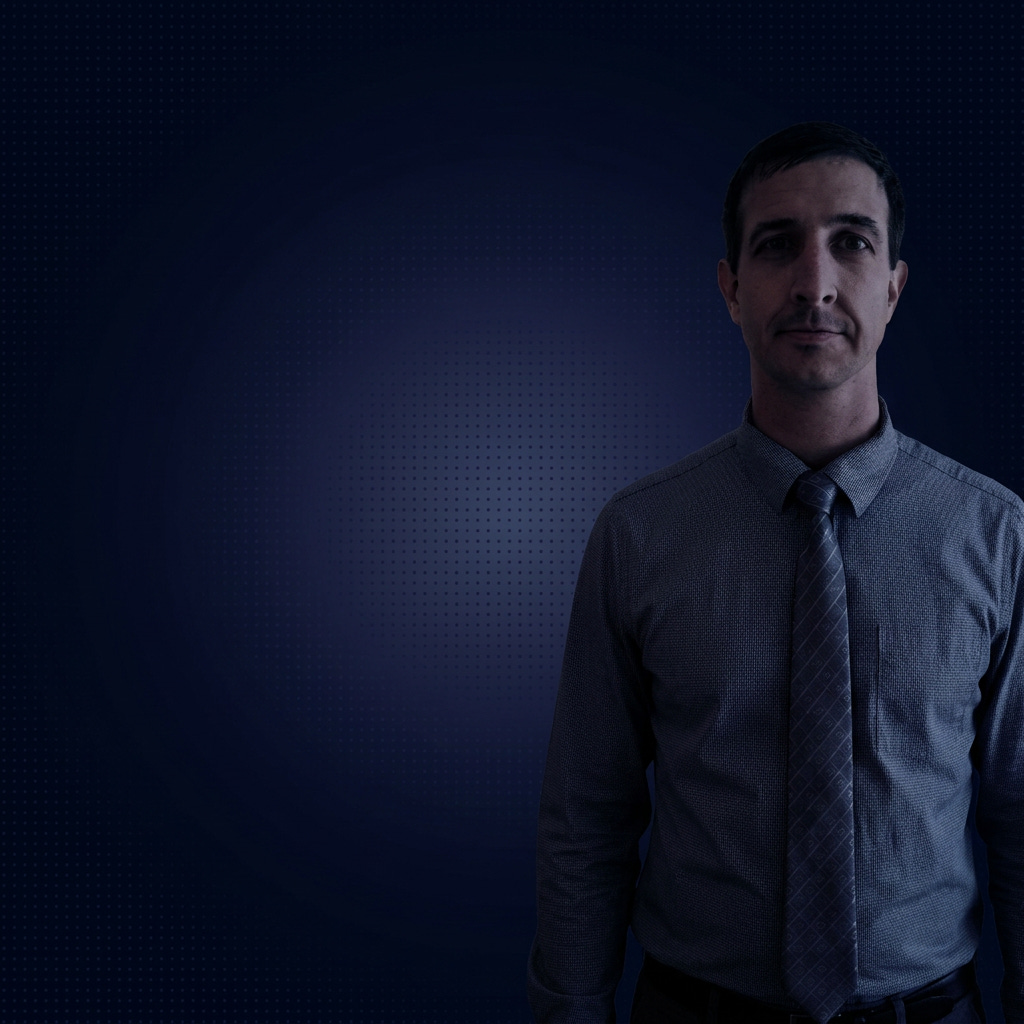
In a world where digital threats evolve faster than most organizations can comprehend, Charles Payne learned early that cybersecurity was never just about firewalls and code. It was about decisions. It was about risk. And more importantly, it was about people trying to make sense of both.
For over two decades, Charles had been immersed in the world of capital markets, where every move carried weight and every decision had financial consequences.
He understood volatility not just as a concept, but as a lived reality. Markets shifted, risks emerged, and the ability to anticipate change often meant the difference between growth and loss.
When he turned his attention to cybersecurity, he noticed something striking. Organizations were investing heavily in technology, yet many struggled to align those investments with actual business outcomes.
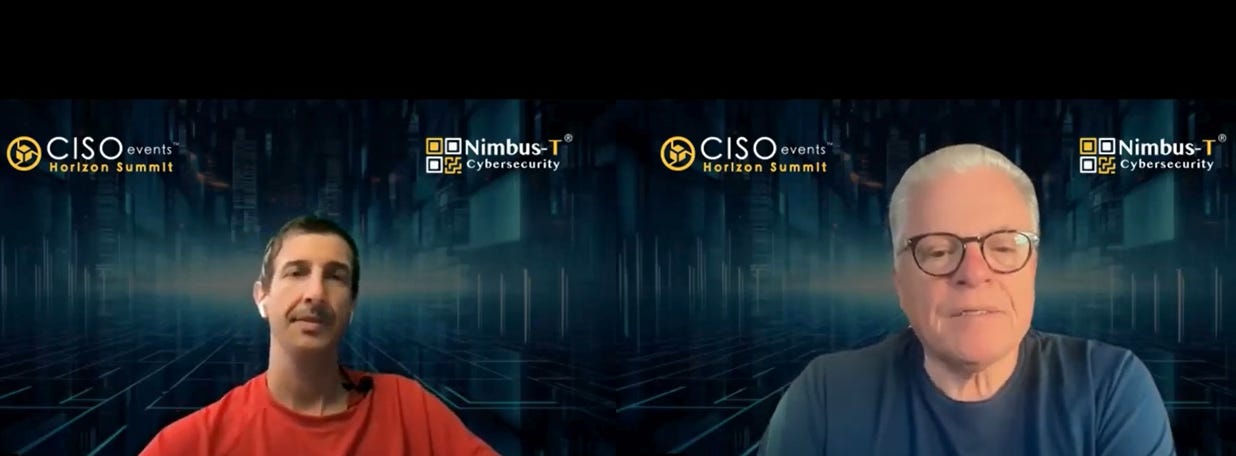
There was a disconnect—a gap between technical execution and financial reasoning. It was a gap that, if left unaddressed, could leave even the most well-funded organizations vulnerable.
Charles stepped into that gap. He did not approach cybersecurity as a purely technical discipline. Instead, he saw it as a strategic function, one that demanded the same rigor as any major financial investment.
Every security decision, in his view, had to answer a fundamental question: what is the real return, and what risk does it truly mitigate?
This perspective allowed him to translate complex security challenges into language that executives could understand. Boards and leadership teams no longer saw cybersecurity as a cost center alone.
They began to recognize it as a critical driver of resilience, trust, and long-term value. Security investments became decisions about growth and protection, rather than mere compliance or technology upgrades.

Yet Charles also understood something deeper. Even the most brilliant strategies could fall short without collaboration. He observed that many Chief Information Security Officers operated in isolation.
Despite attending countless conferences, they often left with more vendor pitches than meaningful insight. There were few spaces where they could speak openly about failures, uncertainties, and the realities of defending modern organizations.
That realization led to the creation of CISOevents™. What began as an idea quickly evolved into a community built on trust. Not a stage for sales presentations, but a space for honest conversations.
Here, security leaders could gather without the pressure of being sold to, and instead share experiences that rarely made it into formal reports.
At these gatherings, something different happened. Conversations became candid. Stories were exchanged. Lessons were passed from one leader to another, often revealing that the challenges they faced were not unique, but shared.
The best strategies were not found in polished presentations—they emerged from real-world experiences. From leaders who had already faced the breaches others feared were coming next.
Through executive summits, intimate roundtables, and virtual briefings, the platform grew into more than an event series. It became a network of trust. A place where ideas could be tested, challenged, and refined through collective wisdom.
Charles believed that peer-led dialogue was essential. He made it clear that vendor decks and marketing materials were secondary; understanding practical solutions required authentic human connection.
Yet his work did not stop there. Charles continued to look forward, keeping a close eye on emerging technologies and the startups shaping the future of cybersecurity.
As an investor, he sought out ideas that had the potential to redefine how organizations defend themselves. He understood that innovation was not optional—it was necessary to stay ahead in a landscape that never stood still.
By supporting these ventures, he ensured that new solutions could grow, evolve, and meet the demands of an increasingly complex world. It was another extension of his belief that progress required both vision and support.
Those who worked with Charles often noticed a pattern. He asked different questions—not just “Is this secure?” but “Is this sustainable?” Not just “What does it cost?” but “What does it protect?”